SYSINTA irrigation system integration
For Brodowski Owoce, FarmPortal was integrated with a SYSINTA irrigation controller. The solution enables irrigation control from the application and links crop data with irrigation system management.

Connect agricultural weather stations, soil sensors, ISOBUS guidance systems and machinery telemetry to a Farm Management System (FMS). FarmPortal integrates field, crop and device data to support Agriculture 4.0 and the development of a crop digital twin.

FarmPortal integrates selected agricultural weather stations from 3 manufacturers: METOS, Atmesys and Weenat. Monitor air temperature, rainfall, humidity, wind and solar radiation, depending on the device model. Weenat weather stations measure 3 core parameters: rainfall (mm), temperature (°C) and relative humidity (%).
Weather data linked to fields feeds the decision support system (DSS), helping users plan spraying, irrigation, fertilization and crop protection.
FarmPortal stores measurement history and supports configurable alert thresholds. Integration capabilities depend on the station model and configuration.
Explore weather stations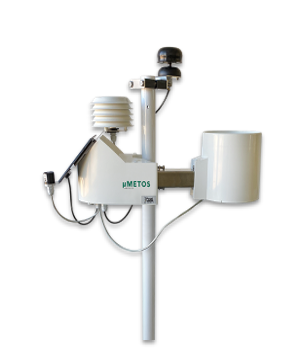
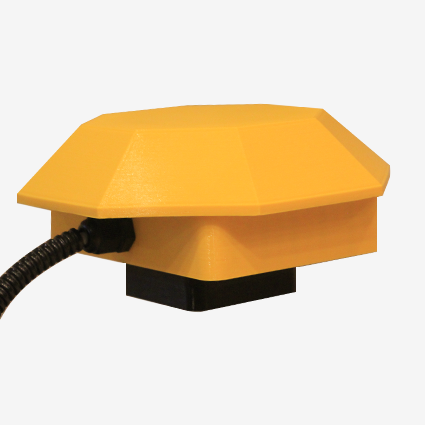
FarmPortal integrates agricultural guidance systems from two Polish manufacturers, AgroOSA and Hydra System, connecting Polish precision guidance technology with a Polish farm management application. Supported RTK solutions offer positioning accuracy of around 2–3 cm, depending on the device and operating conditions.
Supported implementations enable the use of field boundaries, route history and variable rate application (VRA) maps. Selected systems support section control and ISOBUS (ISO 11783), the communication standard for tractors and implements in precision agriculture. Two-way data exchange with FarmPortal depends on the guidance model and implementation; ISOBUS support in a terminal does not automatically transfer all its data to the application.
Explore guidance and autosteeringFarmPortal combines GPS monitoring with CAN telemetry to track locations, routes, working hours and agricultural machinery parameters. Depending on the vehicle and device, the system reads speed, engine RPM, temperature, fuel level and consumption, and other CAN bus data.
Agricultural machinery telemetry, guidance data and compatible ISOBUS systems can support fieldwork management. FarmPortal links this information to treatment records, fields, operators and costs to support work accounting for tractors, combines and other machinery. The scope of ISOBUS integration depends on the device and implementation.
Explore GPS monitoring and machinery telemetry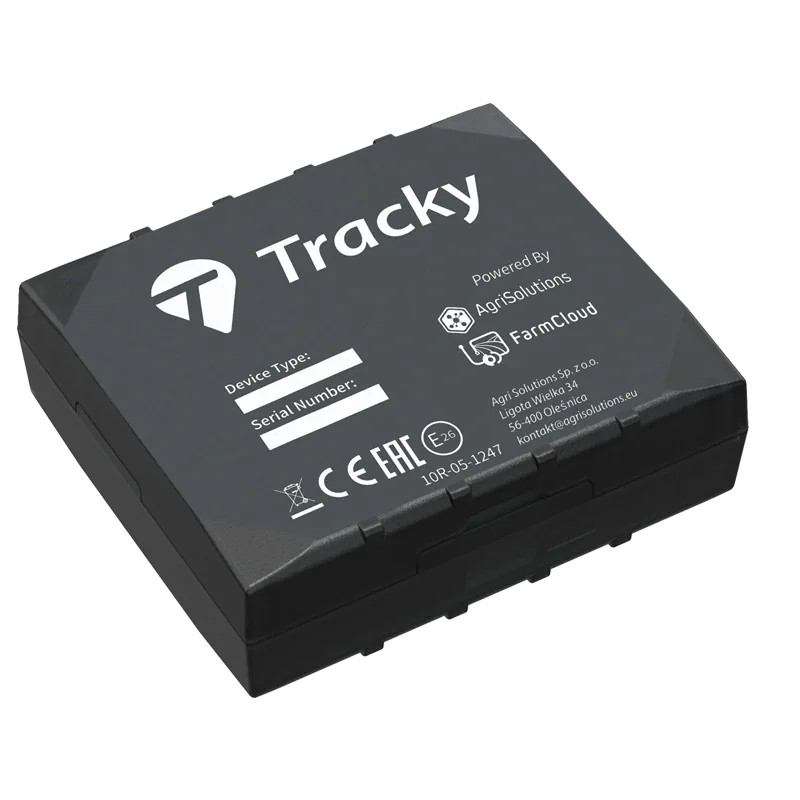
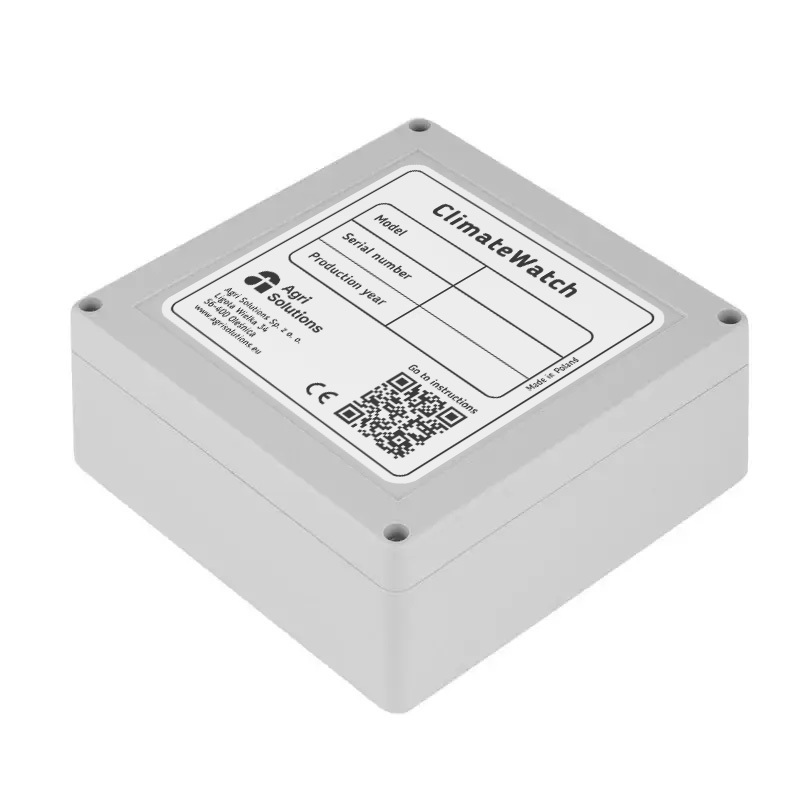
FarmPortal integrates sensors for temperature, humidity and CO₂ levels in storage facilities, warehouses and crop piles. Available measurements depend on the device.
The system stores measurement history and supports threshold alerts to help users monitor storage conditions for fruit, vegetables and other crops.
Explore microclimate monitoringFarmPortal integrates data from compatible soil moisture sensors, with updates every 15–60 minutes in supported integrations. Available products include solutions from 3 manufacturers: Botanist, METOS and Weenat. Probes measure at 1–3 configurable depths, including 10, 30 and 60 cm or 20, 40 and 60 cm.
Depending on the model, sensors monitor volumetric water content (VWC), temperature, water potential (kPa) and electrical conductivity (EC). Root-zone data supports water balance models and an irrigation decision support system (DSS), including fertigation planning.
Product availability and compatibility do not imply an active integration. Data transfer to FarmPortal must be confirmed for the specific model and configuration.
View soil moisture sensors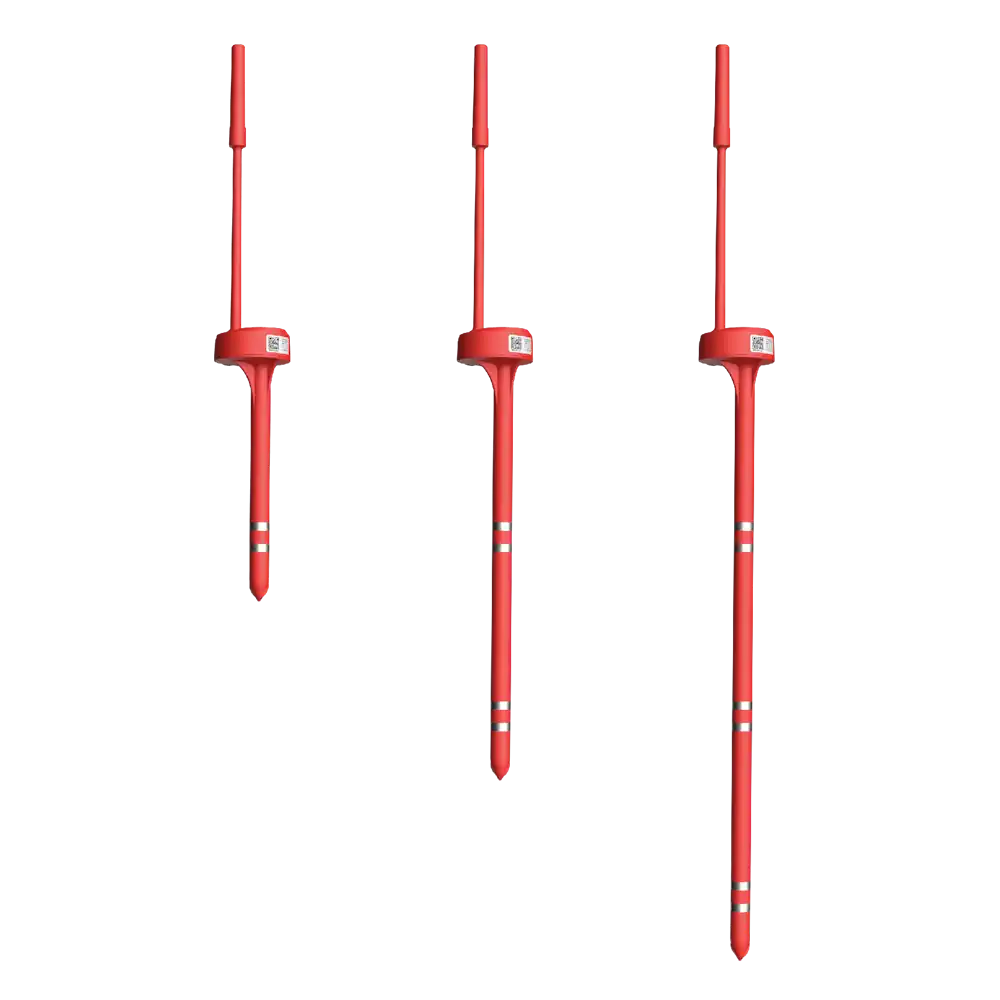
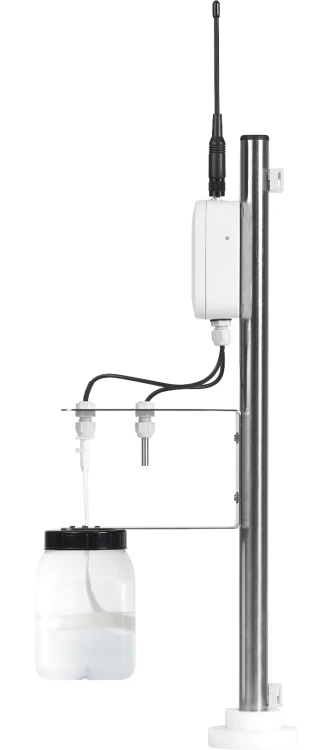
METOS and Weenat frost sensors support frost monitoring in orchards, vineyards and plantations. They monitor air temperature and, depending on the device, wet-bulb and dry-bulb temperatures to help assess frost risk.
The Weenat frost sensor takes measurements every minute. On the LoRa network, it transmits data to the manufacturer's platform every 5 or 15 minutes, depending on temperature. The update frequency in FarmPortal depends on the specific integration.
Available alerts and notifications help users start protective measures in time. Weenat SMS, email and phone notifications are features of the manufacturer's system; availability depends on configuration and subscription.
View frost sensorsFarmPortal, part of the FarmCloud platform, integrates agricultural devices, IoT sensors, irrigation systems, machinery telemetry and external applications. Device data combined with crop history, weather and field operations forms the foundation of a crop digital twin: a digital representation of field conditions and activities, updated as data arrives.
API integrations and device data exchange support process automation, DSS and Agriculture 4.0 solutions. They provide the data layer for a crop digital twin; the scope of data exchange and automation depends on the implementation.
For Brodowski Owoce, FarmPortal was integrated with a SYSINTA irrigation controller. The solution enables irrigation control from the application and links crop data with irrigation system management.
For Agrolig, FarmPortal was integrated with weighbridges and a camera system. Weighing results are sent to the application, while number plate recognition automatically identifies vehicles.
FarmPortal supports custom integrations of sensors, machinery and IoT devices with the farm management system. Send us the device model, communication or API documentation, and a description of the data you want to exchange. We will assess integration and process automation options.
Enquire about integration with FarmPortalFarmPortal provides virtual weather stations linked to field locations, without installing physical sensors. Access forecasts up to 14 days ahead, historical data for up to 24 months, rainfall totals, temperature, humidity, wind and weather alerts.
The data supports planning for spraying, irrigation and water balance, as well as analysis of farm weather conditions. A virtual station can complement monitoring from physical METOS, Atmesys and Weenat stations. FarmPortal offers a free virtual weather station package within the current limits.
Set up a virtual weather station