In brief
FarmPortal, FoodPass and FarmCloud can support up to 12 points in area A and up to 14 points in area B, provided the project meets the conditions of the relevant criteria at the same time. The strongest justification relates to digital traceability, quality, batches, labelling and a new process within the company. Environmental and organic criteria, however, require additional evidence, costs or certificates.
- In area A, technology can support up to 12 points, which is up to 50.0% of the maximum score for a standard SME.
- The safest impact relates to 5 points for alignment with the objectives of the Farm to Fork Strategy and 3 points for innovation.
- 4 points for environmental protection require an investment component representing at least 20% of the eligible costs of the operation.
- In area B, 7 points for organic products do not result from an IT system. The system helps document the condition, but it does not replace certification or the actual structure of supplies.
What is the I.10.7.1 grant and who is it for?
Intervention I.10.7.1 provides support for SMEs involved in processing or placing agricultural products on the market outside the farm. The programme has a practical purpose: to strengthen cooperation between farmers and agri-food companies, shorten the supply chain and increase the added value of raw materials.
The programme covers two main areas. Area A applies to the processing and marketing of agricultural products by SMEs, while area B covers projects related to organic products. The documentation refers to tangible and intangible investments, including technology, storage, sorting, packaging, preparation for sale, environmental protection and infrastructure for by-products and food waste.
The cost catalogue is important for digital projects. The guidelines refer, among other things, to the purchase of software for enterprise management, production or storage process control, expansion of ICT systems, implementation of quality management systems and the purchase of measuring and control equipment.

For this reason, FarmPortal, FoodPass and FarmCloud should not be described as “farm software” or “a record-keeping system”. A stronger description refers to digital raw material intake, batch control, quality, labelling, storage condition monitoring, reporting and integration of data from farms.
Status as of May 2026: before preparing an application, the current version of the call documentation, limits, criteria and annexes should be checked on the websites of MRiRW and ARiMR.
How many points can be linked to digitising the value chain?
Digitisation can support several criteria at the same time, but only if the budget and description of the operation meet the conditions of each criterion. In area A, the sum of 5 points, 4 points and 3 points gives 12 points that can be justified through technology and related investments. In practice, it must be checked whether a given cost can be assigned to the right threshold and objective.
In area A, the criterion concerning the Farm to Fork Strategy includes, among other things, sustainable processing methods, marking, labelling, circular economy, reducing food loss and waste, and participation in food quality schemes. This element can receive 5 points.
The next criteria are more budget-related than descriptive. An operation containing at least 20% of eligible investment costs related to environmental protection may receive 4 points. A project in which at least 50% of eligible investment costs concern innovative investments may receive 3 points.
Area B follows a different structure. The largest element that technology can support evidentially is 7 points for using, in each year of the commitment period, at least 70% of the total quantity of products processed or marketed that are covered by an organic production certificate. FoodPass can organise certificates and batches, but the condition must result from the actual purchase, production and documentation of the raw material.
| Application area | Maximum score | Points that technology can support | Share | Interpretation condition |
|---|---|---|---|---|
| Area A, standard SME | 24 points | up to 12 points | 50.0% | The project must combine traceability, process innovation and a real environmental component |
| Area A, organised form of farmer cooperation | 31 points | up to 12 points | 38.7% | Technology supports some criteria, while the organisational form provides separate points |
| Area B, organic products | 26 points | up to 14 points | 53.8% | The system documents supplies and certificates, but does not create organic status |
The most honest way to speak with a potential beneficiary is to show two levels of impact. The first is direct impact: a digital process, traceability, quality and company-level innovation. The second is supporting evidence: organic documents, environmental data, energy measurement, temperature, humidity and the batch trail.
| Criterion | Points | Role of FarmPortal / FoodPass / FarmCloud | Level of certainty |
|---|---|---|---|
| Objectives of the Farm to Fork Strategy | 5 points | Raw material identification, marking, labelling, batch history, quality control, loss reduction | High, when the project describes the process and data from supplier to buyer |
| Innovation | 3 points | A new process at company level: digital raw material intake, batches, quality, integrations, reporting | High, when at least 50% of the relevant costs relate to innovation |
| Environmental protection | 4 points | Monitoring energy, temperature, humidity, losses, equipment operation and environmental data | Medium, because an IT report alone is usually not enough to meet the 20% cost threshold |
| 70% organic products | 7 points | Certificate register, supply control, batch history, reports on the share of organic raw material | Conditional, because the client must have real supplies and certificates |
How should a digital Farm to Fork strategy be described?
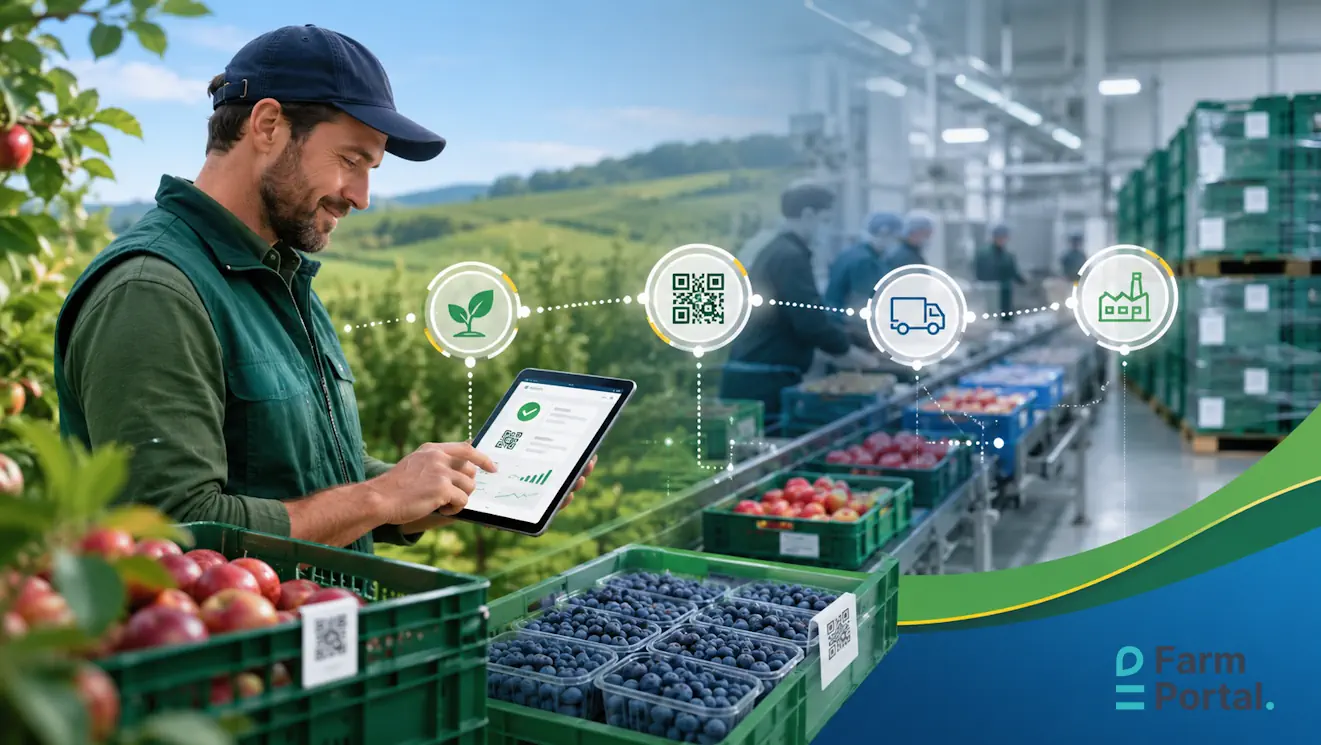
The strategy description should show what happens to the raw material from delivery or harvest through to storage, processing, labelling and dispatch. A process description works best when every operation leaves a trace: who, when, where, with which batch and with what quality result.
The annex to the guidelines refers, among other things, to labelling systems that enable the place of production of raw materials or food to be identified, as well as IT systems enabling the identification and monitoring of conditions during processing, storage or transport of products. This is a natural area for FarmPortal, FoodPass and FarmCloud.
FarmPortal organises data on the farm side: fields, crops, treatments, costs, employees, harvests, storage and reports. The FarmPortal farm management functions page describes, among other things, work and harvest records, treatment records, warehouse management, and reports and analytics.
FoodPass takes over the weight of processes on the plant or distributor side. In an I.10.7.1 project, raw material intake, batches, suppliers, certificates, quality control results, storage conditions and audit documents are particularly important. FarmCloud connects this information with sensors, ERP systems, CRM, IoT devices and management reporting.
“We will buy a record-keeping system” is a cost. “We will implement a digital raw material intake process with supplier, batch, certificate, quality, warehouse and storage condition identification” is a justification for investing in the value chain.
What can be included in the project beyond software?
A digital project should include the tools, devices and integrations needed to run the process described in the application. Software alone rarely shows the full value of the investment. A stronger set-up connects the application with measuring devices, batch identification and audit-ready data.
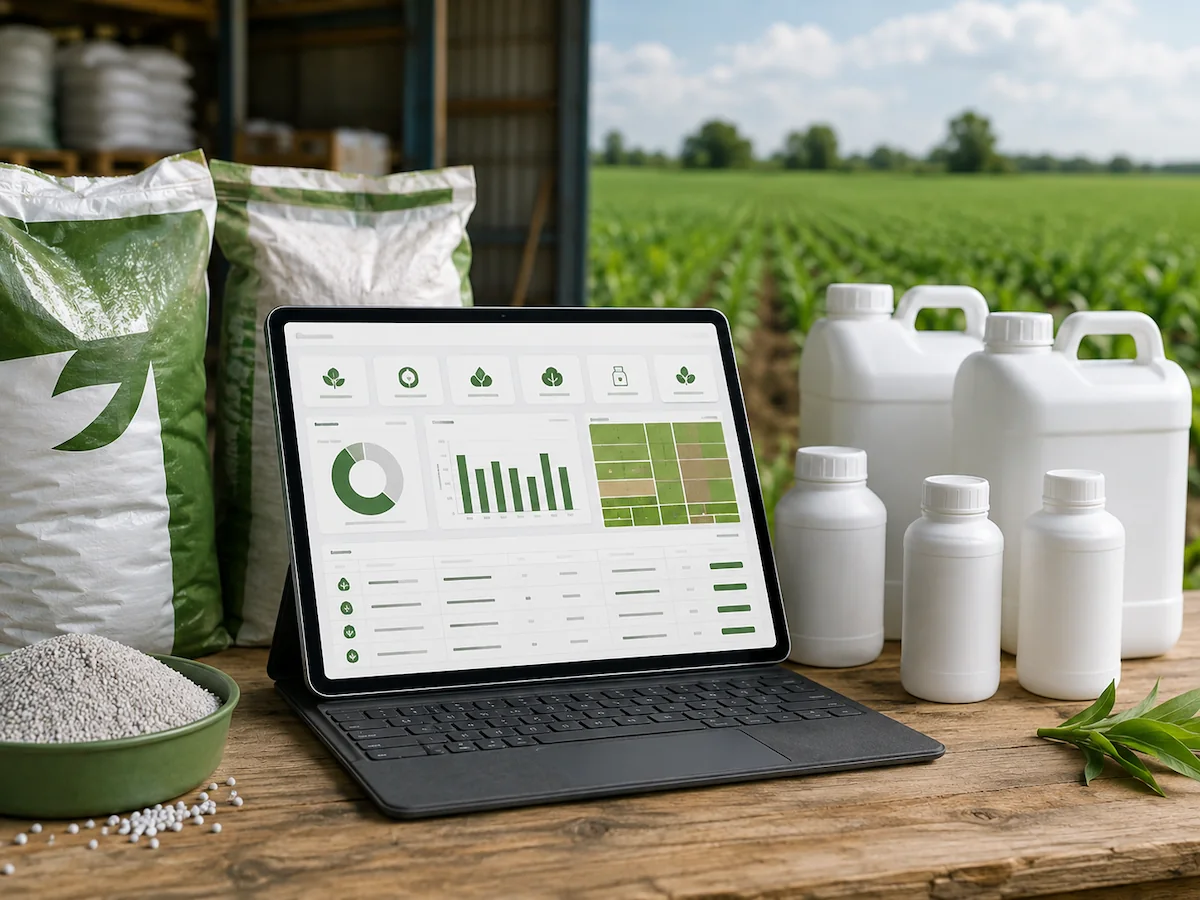
In agri-food projects, it may be worth considering elements such as a traceability system, labelling, QR codes, UHF RFID, supplier register, quality control module, ERP integrations, certificate register, storage sensors, weather stations, GPS monitoring, agricultural guidance systems, measuring devices for cold stores, temperature and humidity records, ESG reports and management dashboards.
On farms and among suppliers, it is worth taking care of source data: treatments, plots, harvest dates, employees, batches, weight, packaging and location. For soft fruit growers, a good starting point is digital harvest settlement and the identification of crates or punnets. For processors, batches, certificates, cold stores and quality control at intake will be more important.
| Process | Before implementation | After digital implementation | Data to collect |
|---|---|---|---|
| Raw material intake | Paper document, manual supplier check | Digital delivery with supplier, batch, weight, quality and certificate | Supplier, batch number, weight, date, quality parameters |
| Warehouse and storage | Periodic temperature checks | Condition monitoring, alerts and measurement history | Temperature, humidity, location, time, alert status |
| Traceability | Reconstructing history from multiple files | Batch history from field to warehouse and dispatch | Batch, label, documents, operations, responsible persons |
| Reporting | Manual reports prepared after the event | Dashboards, exports, quality and environmental reports | Quality KPIs, losses, energy, complaints, deliveries |
The environmental component needs to be described precisely. A reporting module can provide evidence, but the 4-point criterion refers to eligible investment costs related to environmental protection. For this reason, digitisation is worth combining with energy measurement, cold store modernisation, renewable energy, heat recovery, loss reduction or storage condition monitoring.
Who benefits most from this type of implementation?
The greatest organisational return appears where raw material passes through many hands and responsibility for data becomes blurred between the farm, warehouse, quality control and sales. In such cases, digitisation is not an add-on to the application. It is a way to close gaps in the process.
Farmer above 100 ha: field data as an argument in discussions with buyers
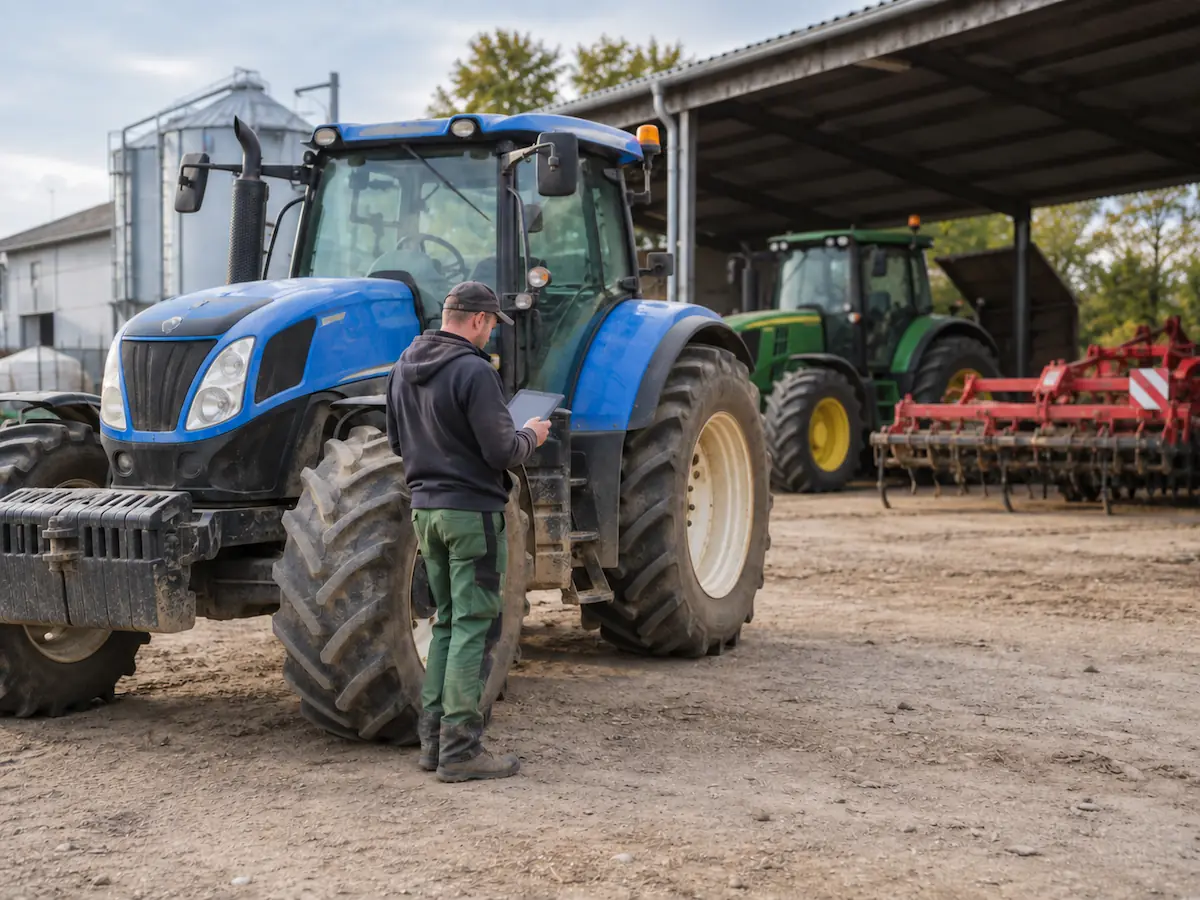
A larger farm often already has machinery, GPS, treatment history and storage, but the data is often scattered across a terminal, notebook, spreadsheet and invoices. FarmPortal can organise production so that the farmer can respond more quickly to a buyer’s questions: which field the raw material came from, when the treatment was carried out, what the batch was and which documents confirm it.
The first step is straightforward: start with plots, crops, treatments and storage. Machinery integrations, weather stations, sensors or reports for contractors can be added later.
Fruit grower and plantation owner: harvest settlement without guesswork
On a plantation, the problem usually does not start in the office, but at the punnet. Who harvested it? From which block? At what time? What was the quality? If this information is entered only in the evening, the risk of errors and disputes with workers increases.
Digital employee identifiers, crate scanning and harvest registration in a mobile application turn seasonal labour settlement into a live process. For the grower, this means better control over harvest costs, block productivity and the history of fruit batches.
Fruit and vegetable processor: less manual reconstruction of batch history
In a processing plant, a single complaint can trigger hours of document searching. The quality team checks the supplier, the warehouse looks for the batch, production reconstructs the shift, and the sales team waits for an answer for the customer.
FoodPass and FarmCloud help shorten this path because they connect raw material intake, the certificate, quality control, warehouse and dispatch. Decisions that previously required several phone calls can be based on the history of operations recorded in the system.
Machinery manufacturer and technology integrator: selling a device as part of a process
A machine, sensor or labelling system has greater value when its data flows into the customer’s process. A device manufacturer can therefore build an offer not around the equipment itself, but around a measurable result: condition control, batch identification, warehouse automation or loss reduction.
FarmCloud can act as the integration layer. As a result, data from devices, sensors, GPS, cold stores or packaging lines does not end up in a separate dashboard, but feeds traceability, reports and quality control.
Agri-food management team: a report that stands up to audit
Management teams need fewer declarations and more indicators. What matters is the completeness of delivery data, complaint response time, number of storage alerts, the percentage of batches with full history and the share of deliveries with a valid certificate.
A well-implemented system also provides a language for discussions with a bank, auditor, retail chain or financing institution. This is not about being “modern”. It is about risk control, process predictability and reliable data.
How to prepare the digital component of the application step by step?
The digital component for I.10.7.1 should be prepared from the process, not from a list of functions. First, the company should describe what it wants to change in raw material intake, quality, warehouse management, labelling, supplier control or reporting. Only then should the modules and devices be selected.
- Map the process from supplier to buyer. List the stages: contract, delivery, intake, quality control, warehouse, processing, label, dispatch, complaint.
- Identify the data required at each stage. Example data includes batch number, supplier, certificate, weight, temperature, humidity, control result, location and responsible person.
- Link the data to the scoring criteria. Traceability data supports alignment with the programme’s food-related objectives, a new digital process supports innovation, and measuring energy or storage conditions may help document the environmental element.
- Select the tools. The project can combine FarmPortal, FoodPass, FarmCloud, IoT sensors, labelling, QR codes, RFID, ERP integrations and reporting.
- Define KPIs. Useful indicators include the time needed to reconstruct batch history, the number of deliveries with complete data, the percentage of batches with an assigned certificate, the number of environmental alerts and report completeness.
- Prepare the cost justification. Every cost should have a function within the process. The offer for the system, device or integration must match the objective of the operation.
Good documentation shows the current state and the post-implementation state. Before the investment, the company has scattered spreadsheets, manual labels and difficult batch control. After implementation, it has a digital history of deliveries, quality, warehouse, certificates and storage conditions.
Case study: digital raw material intake and traceability in fruit processing
A well-designed implementation shows that scoring is not an end in itself. The goal is to modernise the company, and the points result from connecting the investment with the programme criteria.
Case study: a soft fruit processor from Lubelskie Voivodeship, working with 45 suppliers and sourcing raw material from strawberry, raspberry and blackcurrant plantations, implemented a digital process for raw material intake, quality control, batch labelling and cold store monitoring. Before the implementation, batch history was reconstructed from paper documents, warehouse spreadsheets and correspondence with suppliers. The average time needed to gather a complete batch history was around 4 hours. After implementation, it fell to 12 minutes, provided that the batch had a complete set of scans from intake, warehouse and dispatch.
The data scope included supplier identifier, batch number, variety, net weight, quality class, intake temperature, chamber number, temperature and humidity record, and the person approving the intake. Delivery data completeness increased from 72% to 96% after three months of using a single intake form. The number of batches with an assigned quality control result increased from 81% to 98%.
The main limitation was operational discipline. Warehouse staff had to scan the label at every location change, and suppliers had to provide current documents before the raw material was accepted. The conclusion for similar companies is practical: digital traceability works only when it covers the supplier, raw material, batch, warehouse and quality within one process.
Checklist for preparing a digital investment
Before submitting an application, it is worth checking whether the digital component is specific enough. This checklist helps avoid a situation in which a good system is described too generally and fails to show its connection with the criteria.
- Does the project indicate which processes will be digitised?
- Has the flow of data from supplier to batch, warehouse and buyer been described?
- Are the costs of the system, devices and integrations assigned to the objective of the operation?
- Does the investment description show marking, labelling, loss reduction or condition monitoring?
- Has innovation been described as a new process at company level?
- Does the environmental component have the right share of eligible costs if the applicant wants to apply for these points?
- Does the organic project have real certificates, supply structure and data for verifying the 70% share of organic products?
- Has employee training and responsibility for data been planned?
FAQ
Does FarmPortal itself provide points in the I.10.7.1 grant?
No. Points are not awarded for the name of the system, but for the operation’s compliance with the criteria. FarmPortal, FoodPass and FarmCloud can help describe and implement processes that support traceability, innovation, quality control, labelling, condition monitoring and data documentation.
How many points can technology realistically support?
In area A, technology and related investments can support up to 12 points: 5 points for the objectives of the Farm to Fork Strategy, 4 points for environmental protection and 3 points for innovation. In area B, up to 14 points is possible, but 7 points for organic products require the 70% organic product condition to be genuinely met.
Is an IT system enough for the environmental component?
Usually not. An IT system can measure, report and document environmental data, but the environmental criterion requires an investment cost component related to environmental protection. For this reason, software should be combined with devices, renewable energy, cold storage, heat recovery or storage monitoring.
How does FarmPortal help a farmer in the value chain?
FarmPortal organises farm data: fields, crops, treatments, workers, harvests, warehouse, costs and reports. This helps the farmer better document production, quality and raw material history, making cooperation with a processor or distributor easier.
How does FoodPass support a processor?
FoodPass supports processes on the processor side: supplier register, certificates, batches, quality control, documents, audits and reporting. In an I.10.7.1 project, such data helps show that the investment affects traceability, safety and supply chain organisation.
Can sensors and IoT devices be included?
Yes, if they are justified by the objective of the operation and eligible costs. In practice, these may include weather stations, storage sensors, temperature and humidity monitoring, GPS trackers, measuring devices, labelling, RFID or integrations with cold stores and warehouses.
Will an organic processor receive 7 points thanks to FoodPass?
FoodPass can help document the share of organic products, certificates, deliveries and batches, but it does not replace the actual fulfilment of the criterion. The 70% organic product condition must result from the real raw material structure, certificates and verifiable data.
Which KPIs are worth including in the project?
Useful KPIs include delivery data completeness, time needed to reconstruct batch history, percentage of batches with an assigned certificate, number of storage alerts, number of deliveries with full quality control, and the share of warehouse processes recorded digitally.
Glossary
- Intervention I.10.7.1
- A support instrument under the CAP Strategic Plan 2023–2027 for developing cooperation within the value chain outside the farm. In practice, it concerns SME investments in processing or placing agricultural products on the market.
- Farm to Fork Strategy
- A policy direction related to a sustainable food system. In a digital project, it means, among other things, raw material identification, labelling, monitoring and loss reduction.
- Traceability
- The ability to identify a product or batch within the supply chain. Example: the ability to reconstruct which farm, field, delivery and warehouse a given batch of raw material came from.
- FoodPass
- A solution from the FarmCloud ecosystem for quality, compliance, audits, certificates and traceability in the supply chain. For a processor, it means order in supplier, batch and quality control data.
- FarmPortal
- An FMS system for managing farms, crops, treatments, workers, harvests, warehouses and reports. On the farmer’s side, it provides data needed for better cooperation with raw material buyers.
- FarmCloud
- A data and integration layer connecting farms, processors, advisers, sensors, ERP systems, CRM and reporting. In an I.10.7.1 project, it can connect operational data into one process.
- Environmental component
- The part of an investment related to environmental protection. It may include measurement, monitoring, loss reduction, energy efficiency, renewable energy, cold storage or heat recovery, provided it results from the costs and objective of the operation.
- IoT in storage
- A network of sensors and measuring devices that monitor temperature, humidity, warehouse conditions or equipment operation. IoT data helps respond faster to deviations and document storage history.
Summary
In an I.10.7.1 project, FarmPortal, FoodPass and FarmCloud should be described as an investment in a digital value chain, not as a single purchase of software. Such a description better matches the logic of the intervention because it shows data, process, quality control, batch identification and cooperation with suppliers.
In area A, the safest technological impact primarily concerns criteria linked to traceability and a new process at company level. The full level of up to 12 points, however, also requires meeting the environmental threshold. In area B, the impact may reach 14 points, but only if the organic product condition is genuinely met.
The best project does not multiply functions just for the sake of listing them. It connects raw material intake, supplier, certificate, batch, quality, warehouse, measurement and reporting into one process that can be shown in the application, during an audit and in the plant’s day-to-day work.
Sources
- Ministry of Agriculture and Rural Development, intervention I.10.7.1 “Development of cooperation within the value chain”, status as of May 2026: description of intervention I.10.7.1 on the MRiRW website.
- Ministry of Agriculture and Rural Development, “Detailed guidelines on granting and paying financial support under the Strategic Plan for the Common Agricultural Policy for 2023–2027 for intervention I.10.7.1”, applicable from 20 March 2026: detailed guidelines for intervention I.10.7.1.
- FarmPortal, system functions description: FarmPortal functions for farm management.
- FarmPortal, blog: FarmPortal articles on digital agriculture.
Follow us!
See what we're doing and be inspired by positive changes.