Smart Farming in European Farms 2026: Definition, Comparison with Precision Agriculture, Agriculture 4.0 & 5.0, and Practical Implementation with FarmPortal
A comprehensive, SEO-optimized guide to smart farming, AgriTech, and digital agriculture in Europe and Poland, including practical implementation, FMS integration, Eco-schemes compliance, and data-driven farm management.
Category: Smart Farming / Digital Agriculture / AgriTech
Smart farming (intelligent agriculture) is a way of managing a farm where decisions and daily operations are supported by data, automation, and connectivity. "Smart" does not mean buying gadgets — it means a closed operational loop: data → recommendation → execution → performance verification.
The goal of smart farming on a European and Polish farm is real economic impact: 10–15% lower fertilizer costs through VRT, reduced idle machinery passes (fuel savings), and fully structured documentation aligned with Eco-schemes, compliance audits, and digital reporting requirements.
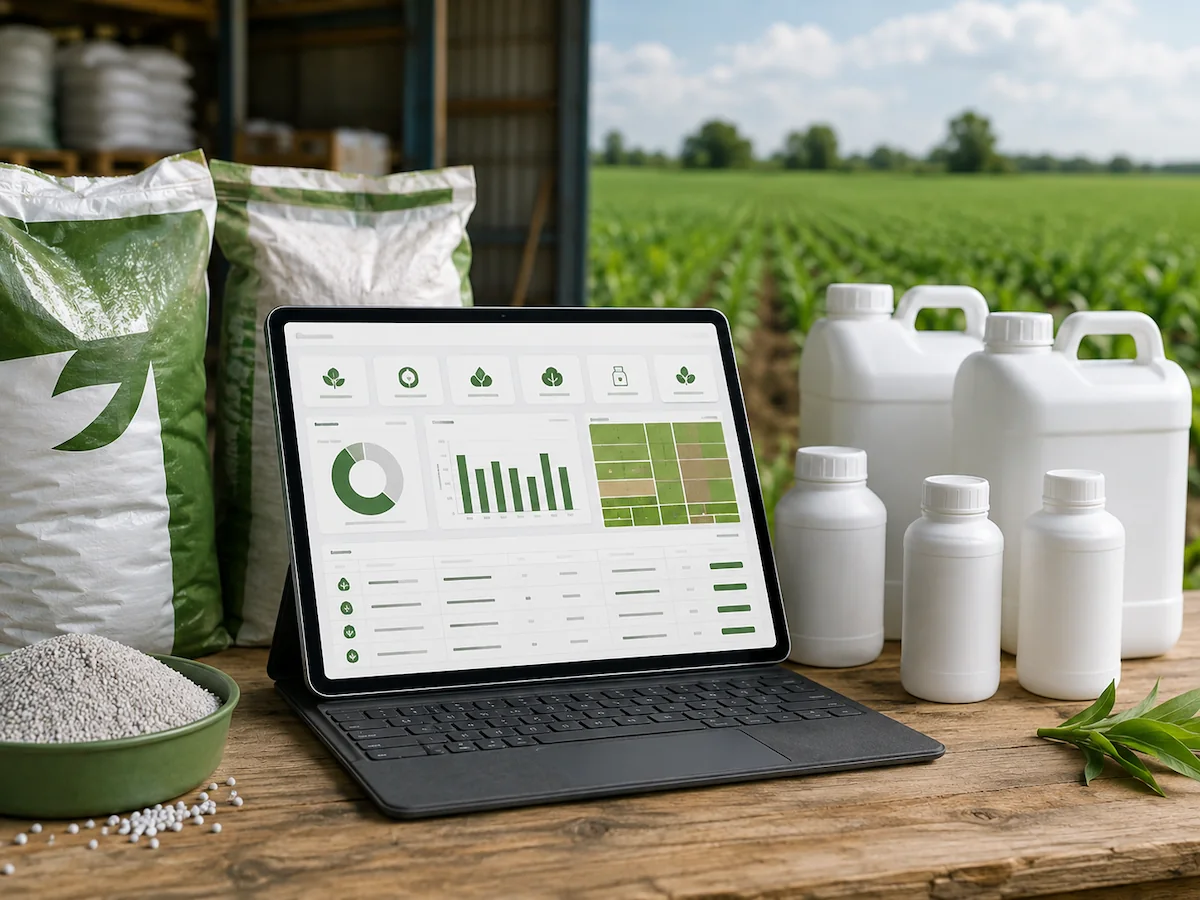
In practice, the foundation of implementation is an FMS (Farm Management System) such as FarmPortal, which organizes fields, operations, costs, and documentation while integrating data from machines, sensors, weather systems, and AgriTech solutions into a single operational ecosystem. To better understand digital agriculture terminology, see our Digital Agriculture Glossary 2026.
Smart Farming – What It Means in Practical Agricultural Terms
Smart farming is data-driven farm management based on multiple integrated data sources, including:
- Field data (maps, zones, soil sampling, crop observations, variability analysis)
- Weather and microclimate (weather windows, rainfall totals, water balance, leaf wetness)
- Machinery telemetry (routes, working hours, fuel consumption, efficiency)
- Operational records (what was applied, where, when, and at what rate)
- Compliance and traceability data (reports, treatment logs, supply chain transparency)
Operational result: fewer intuitive decisions and more data-driven management without losing control over farm profitability, risk, and regulatory compliance.
Comparison: Smart Farming vs Precision Agriculture vs Agriculture 4.0 vs Agriculture 5.0
The concepts of smart farming, precision agriculture, Agriculture 4.0, and Agriculture 5.0 are often used interchangeably, but they represent different levels of digital maturity in modern farming systems and AgriTech ecosystems.
Strategic Comparison of Digital Agriculture Paradigms (2026)
The table below presents a practical comparison of key digital agriculture paradigms, especially relevant for European farms, AgriTech integration, FMS adoption, and Eco-schemes compliance.
| Feature | Precision Agriculture | Smart Farming | Agriculture 4.0 | Agriculture 5.0 |
|---|---|---|---|---|
| Main Objective | Precision of treatment (rate/location) | Operational optimization of the entire farm | Digitalization and system integration (connectivity) | Sustainability, resilience, and human-centric approach |
| Key Tools | GPS, VRT/VRA (variable rate technology) | FMS (e.g. FarmPortal), IoT sensors, weather data | Cloud platforms, APIs, ERP & FMS integration | Artificial Intelligence (AI), robotics, Big Data analytics |
| Approach to Data | Real-time field data | Historical data + forecasts + operational analytics | Continuous data flow between machines, sensors, and management systems | AI-driven processing focused on climate risk and sustainability |
| Role of the Farmer | Operator of precision equipment | Data-driven farm manager and decision-maker | Supervisor of a digital farm ecosystem | Strategic leader balancing productivity, ecology, and risk |
| Value for European Farms (2026) | Fuel and fertilizer savings | Better organization, traceability, and documentation | Full compliance with Eco-schemes and digital regulations | Higher resilience to climate volatility and market risks |
Precision Agriculture
Precision agriculture focuses primarily on optimizing field treatments using spatial variability data. Technologies such as VRT (Variable Rate Technology), GPS guidance, and soil mapping allow farmers to apply inputs more efficiently and reduce waste.
However, precision agriculture is mainly field-centric and does not always include full operational management, documentation, supply chain traceability, or compliance workflows.
Smart Farming (Intelligent Agriculture)
Smart farming expands beyond field precision into full farm operational optimization. It integrates planning, execution, cost management, documentation, and real-time analytics into a unified decision-support environment powered by FMS platforms, IoT sensors, and AgriTech solutions.
Agriculture 4.0
Agriculture 4.0 represents the digital transformation of farming through system integration, connectivity, and interoperability. It connects machinery, sensors, satellite data, and farm management software into a single data ecosystem, eliminating silos and enabling automated decision workflows.
Agriculture 5.0
Agriculture 5.0 builds on digitalization by emphasizing sustainability, climate resilience, human-centric AI, and responsible automation. It focuses on long-term risk management, ESG alignment, and environmentally adaptive farming systems supported by advanced analytics and artificial intelligence.
Where FarmPortal Fits in the Smart Farming and AgriTech Ecosystem
In European agricultural conditions, technology adoption is most effective when it is phased, measurable, and compatible with existing farm operations. FarmPortal functions as the digital backbone of smart farming implementation.
- Single source of truth: fields, crops, treatments, inputs, and operational costs in one system
- Compliance-ready documentation: structured records for audits, Eco-schemes, and regulatory reporting
- Weather-driven decision support: weather data including weather windows, rainfall sums, water balance, leaf wetness indicators
- Closed decision loop: planning → execution → monitoring → analytics
- Open AgriTech integration: IoT devices, telemetry, sensors, and external digital agriculture tools
See the full list of FarmPortal features for smart farming and farm management.
How to Implement Smart Farming Step by Step (EU & Poland 2026)
-
Start with an FMS platform (e.g. FarmPortal)
Organize fields, treatments, inputs, costs, and operational documentation. -
Integrate weather and risk analytics
Use weather windows, rainfall data, and water balance indicators for better treatment timing. -
Standardize field observations and digital records
Ensure consistent agronomic data collection for long-term analytics. -
Adopt precision technologies where ROI is highest
Especially fertilization and crop protection via VRT/VRA and decision support systems. -
Scale automation and AgriTech integrations
Add telemetry, IoT sensors, AI recommendations, and operational dashboards once the data foundation is stable.
The Role of AgriTech in Modern Smart Farming
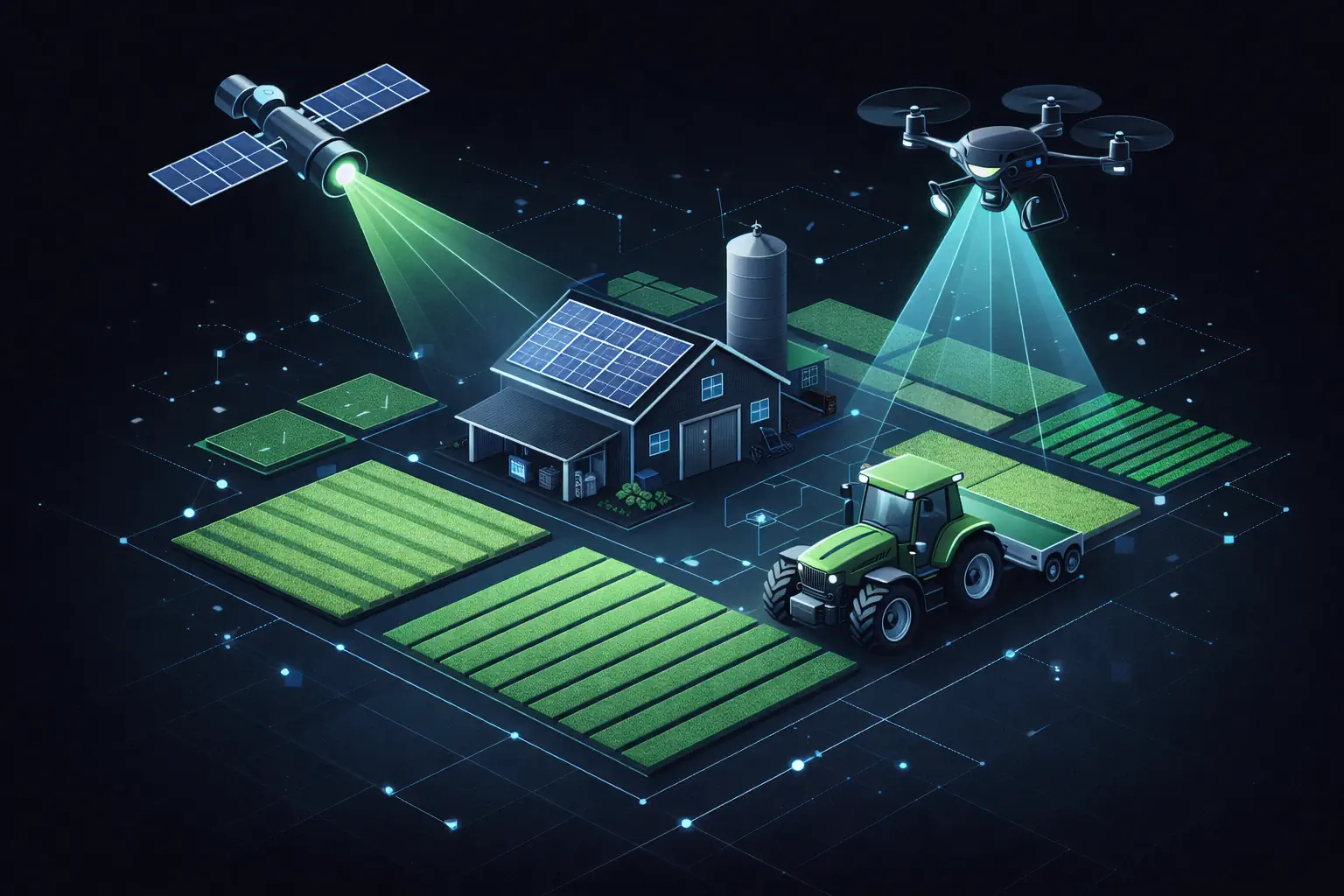
AgriTech refers to the ecosystem of advanced agricultural technologies, including IoT sensors, satellite analytics, AI-driven decision support systems, robotics, digital traceability platforms, and integrated farm management software.
AgriTech creates measurable value when data is interoperable, analytics are actionable, and technologies are embedded directly into operational workflows rather than functioning as isolated tools.
Platforms like FarmPortal act as integration layers for AgriTech solutions, enabling farmers, advisors, and agribusiness stakeholders to operate within a connected digital agriculture ecosystem aligned with EU digitalization and sustainability policies.
Common Mistakes in Smart Farming Implementation
- Deploying sensors without decision workflows
- Lack of centralized farm data management
- Premature automation without stable data infrastructure
- Closed technology ecosystems and vendor lock-in risks

FAQ – Smart Farming in Practice
Is smart farming the same as precision agriculture?
No. Precision agriculture focuses mainly on optimizing field treatments, while smart farming includes full farm management, data integration, automation, documentation, and decision support systems.
Is smart farming profitable for European farms in 2026?
Yes, especially when implemented in phases. Farms can reduce fertilizer costs by 10–15% with VRT, lower fuel consumption, and improve compliance documentation required by Eco-schemes and EU digital agriculture regulations.
Where should a farm start with smart farming?
The best starting point is a Farm Management System (FMS) like FarmPortal, which structures operational data and enables integration with weather systems, IoT sensors, precision agriculture tools, and AgriTech platforms.
Why is weather data critical in smart farming?
Weather indicators such as rainfall totals, weather windows, water balance, and leaf wetness directly influence treatment timing, risk management, and overall farm efficiency.
Follow us!
See what we're doing and be inspired by positive changes.